

Distributor due diligence is the structured process of verifying a potential partner’s legal standing, financial health, operational capability, and supply-chain conduct before signing any distribution agreement. For brands entering Malaysia, or for multinationals reviewing an existing partner network, skipping this process is not a calculated risk. It is an avoidable liability.
Why distributor due diligence has become non-negotiable
The strategic stakes have changed significantly over the past five years. What was once a procurement preference has become a legal obligation for a growing number of brands. The UK Modern Slavery Act (2015), Germany’s LkSG (2023), and the forthcoming EU Corporate Sustainability Due Diligence Directive now require brands to demonstrate that their distribution partners meet human rights and environmental standards. The CSDDD will apply to companies with more than 500 employees in Europe, bringing more brands within scope than the existing German threshold.
The cost of skipping this process is not abstract. A distributor found in breach of labour or environmental standards can expose the brand to supply-chain liability under the principal’s home-country law. Retailers in Malaysia, particularly major pharmacy chains and modern trade grocers, are increasingly alert to reputational risk. A delisting triggered by a distributor’s conduct is difficult to reverse and expensive in terms of lost shelf space, retailer trust, and re-entry costs. Beyond compliance, a financially unstable distributor creates fulfilment gaps, retailer churn, and cash-flow exposure that the brand absorbs directly.
One-time checks before signing are no longer sufficient. Distributor relationships evolve: ownership changes, financial positions deteriorate, and labour practices shift. Distributor due diligence is now a continuous-compliance function, not a pre-contract formality.
Five things to verify before any agreement is signed
The five checks below form the core of our verification framework for any distributor appointment in Malaysia. They apply equally to brands entering the market for the first time and to principals replacing an existing partner. Each check is designed to surface risk before it becomes a business problem.
Legal standing and business registration
The starting point is the Companies Commission of Malaysia (SSM). Confirm the distributor’s registration status, company type, and that the entity presented in negotiations is the actual operating company. This matters more than it sounds. A common issue in Malaysia is a holding company presenting its credentials while a separate, lightly capitalised subsidiary would be the actual signatory and operating entity.
Check that the registration is active and in good standing. Flag any company that was dormant and recently reactivated, particularly if the reactivation coincides with the period of your negotiation. Also confirm that the distributor holds the relevant licences to handle the product category: a distributor handling health supplements or medical devices in Malaysia requires specific approval from the National Pharmaceutical Regulatory Agency (NPRA, also known as KKM). For halal-sensitive categories, check with JAKIM. For food products, verify compliance with the Food Act 1983 and any relevant import permits.
Trade and financial credibility
Audited financial statements are the standard of evidence here. Management accounts prepared by the distributor without independent verification carry limited weight. What audited financials reveal: working capital position, debt levels, creditor days, and whether the business is generating sufficient cash to meet its obligations to principals and logistics partners. What unaudited accounts hide: off-balance-sheet liabilities, related-party transactions, and deteriorating receivables.
Request at least two years of audited accounts. If a distributor declines to share them, treat the refusal as a red flag in its own right. Also ask for trade references from two or three existing principals, and check whether there are outstanding trade debts or legal actions. A financially fragile distributor is a fulfilment risk: when cash is tight, purchasing slows, shelf replenishment suffers, and retailer relationships deteriorate before the brand is even aware there is a problem. Understanding the real cost implications of a distributor relationship includes understanding the financial exposure of a partner who cannot sustain consistent stock flow.
Distribution coverage and channel fit
This is where claimed credentials and verifiable reality diverge most often. Based on analysis of distributor onboarding pitches in Malaysia, coverage claims routinely exceed active accounts by 30 to 50 percent. A distributor may present a slide showing 3,000 retail doors, but the number of accounts placing orders in the last 90 days is typically far lower.
The verification process: request an outlet list with store names, addresses, and states. Cross-reference against the channel breakdown the distributor claims, whether that is pharmacy, mini-market (a convenience-format store, typically 400 to 1,500 sq ft), provision shop (a traditional Chinese-run sundry goods retailer), grocery, or e-commerce. Verify geographic spread by state, particularly whether East Malaysia (Sabah and Sarawak) is covered directly or via sub-distributors. Ask specifically which accounts placed orders in the last quarter, not which accounts are “listed.” These are different numbers.
Channel fit matters as much as coverage volume. A distributor with strong pharmacy relationships may be the wrong partner for a food and beverage brand targeting mini-markets in secondary towns. Aligning channel capability to the brand’s target retail environment is a core criterion in choosing the right distribution partner for Malaysia.
Warehouse, cold chain, and logistics infrastructure
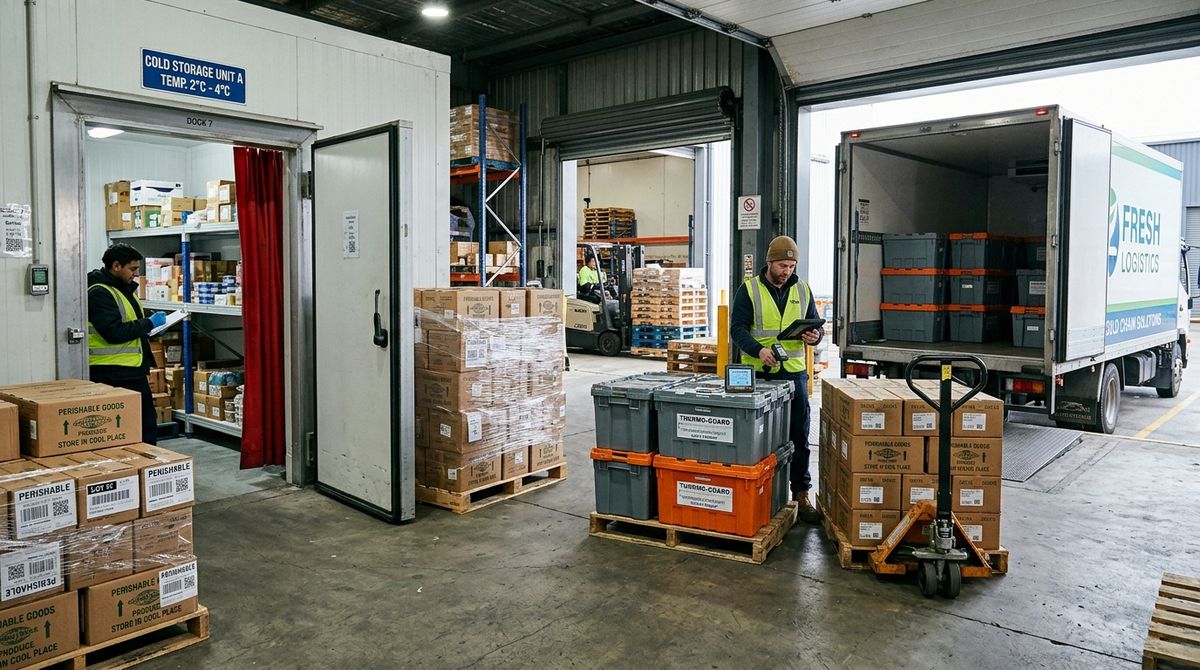
Confirm the distributor’s warehousing footprint: total square footage, locations, GDP or GDP-compliant certification for health and wellness products, and cold-chain capability for F&B and baby care categories requiring temperature control. Ask for lead times by region. Central Region (Kuala Lumpur and Selangor, also called the Klang Valley) should be two to three days maximum. East Coast and East Malaysia shipments will take longer, and the distributor’s capacity to manage that consistently affects on-shelf availability.
Weak infrastructure here creates retailer churn. If deliveries are late or inconsistent, minor markets and provision shops in particular will source from alternative suppliers, and rebuilding that listing requires the brand to intervene directly at field level.
Human rights, labour, and environmental compliance
This is the check most brands skip, and the one regulators are expanding fastest. For brands with European parent companies or investors, n-tier supply chain transparency is now part of the reporting obligation, not an optional extra.
Assess whether the distributor uses third-party labour-hire agencies for field force or warehouse staff, and whether those agencies meet Modern Slavery Act standards. Check environmental handling: how are returns, damaged stock, and packaging waste managed? For brands subject to CSRD or CSDDD disclosure, this information feeds directly into their sustainability reporting. Document what the distributor tells you and what evidence they can provide. Self-declaration without supporting records does not meet the standard.
Four red flags that should stop the onboarding process
There are four situations that warrant stopping the process entirely, not deferring the concern or requesting a plan to address it later.
The first is refusal to provide audited accounts. A distributor that cannot or will not share verified financials has something to protect, and the brand is the party that will absorb the consequences. The second is an outlet list that is vague, undated, or cannot be verified against actual ordering data. Claims without evidence are not coverage.
The third is an existing exclusivity arrangement with a direct category competitor. Exclusivity conflicts are not always disclosed upfront. Ask explicitly, and cross-reference against the distributor’s current principal list. Where conflicts exist, the distributor’s commercial loyalty is structurally divided, and the brand’s products will receive less priority. The fourth red flag is the absence of a documented complaint or product recall process. In regulated categories (health supplements, infant formula, personal care), a distributor without a recall protocol creates liability for the brand at the moment it matters most.
How far down the supply chain to look
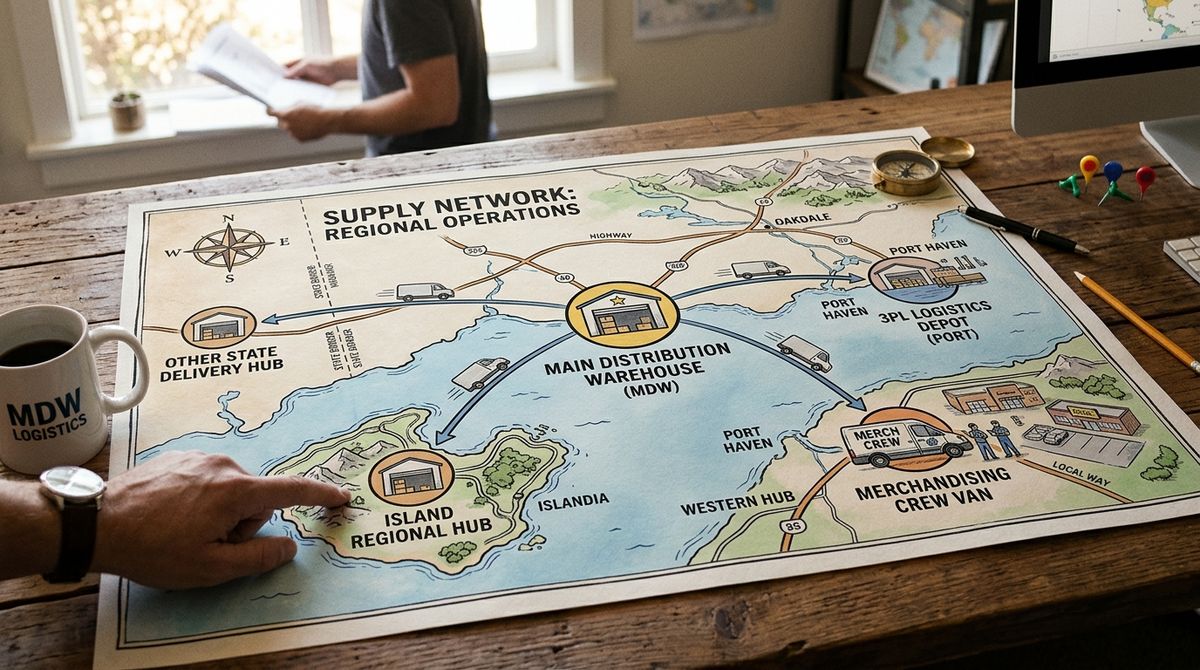
Verifying the distributor at tier 1 is the minimum. It is no longer sufficient. A Malaysian distributor may sub-contract warehousing to a third-party logistics provider, engage a field-force agency for in-store merchandising, and rely on sub-distributors to service East Malaysia (Sabah and Sarawak). Each of these relationships creates exposure that sits within the brand’s value chain.
Germany’s LkSG, which applies to companies with more than 1,000 employees as of January 2024, requires due diligence across the extended supplier network, not just direct partners. The forthcoming CSDDD lowers that threshold to 500 employees in Europe. For brands within scope of either regulation, a distributor relationship that does not include sub-contractor visibility is a compliance gap.
The recommendation is to map the distributor’s key sub-contractors to tier 2 before signing. For warehousing, logistics partners, and field-force agencies, ask for the partner names, their registration details, and their own labour practices. Require the distributor to disclose tier-3 partners within 90 days of onboarding. Building this expectation into the contract is the mechanism that makes it enforceable.
The due diligence questionnaire: what to include
A distributor due diligence questionnaire (DDQ) built for the Malaysian FMCG context should cover six named sections.
The first section covers corporate and legal: SSM registration number, company type, licence status, authorised signatories, and any changes in ownership in the last three years. The second covers financial and trade references: two years of audited accounts, credit references from at least two existing principals, and disclosure of outstanding legal proceedings or trade debts. The third covers channel and coverage data: outlet list by state and channel, active account count for the last quarter, and sub-distributor arrangements for regions not covered directly.
The fourth section addresses warehouse and logistics: facility addresses, GDP certification status, cold-chain capability, last-mile partners, and standard lead times by region. The fifth covers people and labour practices: headcount, use of third-party labour agencies, employment contracts for field staff, and sub-contractor names for warehousing and delivery. The sixth covers data handling and IT systems: how sell-out data is captured and reported, whether the distributor can provide SKU-level sales data to principals, and what systems are used for order management.
A DDQ submitted without supporting documents carries limited evidential weight. The standard is verified documentation, not self-declaration. Each section of the DDQ should specify what evidence is required alongside the answers.
Scoring distributors consistently across the shortlist
Selection bias is a real risk in distributor evaluation. A distributor with strong relationships or a compelling presentation can displace a more capable but less polished competitor if the assessment is informal. The recommendation is a weighted scorecard applied consistently to every prospective partner.
The weighting we apply reflects relative business impact: legal compliance (25%), coverage and channel fit (25%), infrastructure (20%), financial health (15%), human rights and environmental (10%), and data and reporting capability (5%). No single criterion is a tiebreaker on its own, but a poor score on legal compliance or financial health warrants disqualification regardless of how strong the coverage numbers appear.
The time-to-value case for structured scoring is clear. Brands that skip this process spend an average of 12 to 18 months discovering problems, lost accounts, fulfilment failures, compliance gaps, that a 30-day due diligence process would have surfaced before the relationship began.
Setting up ongoing monitoring after onboarding
Pre-signing due diligence and post-onboarding monitoring are two distinct functions. Treating the signed agreement as the end of the process is one of the most common and costly mistakes in distributor management.
The minimum post-onboarding monitoring programme includes annual re-verification of legal documents (SSM status, licence renewals, GDP certification), quarterly performance reviews tied to sell-out data rather than sell-in volumes, and clear escalation protocols for missed KPIs or compliance breaches. Sell-out data is the signal that matters: it shows what consumers are buying, not just what the distributor has purchased from the brand.
Distributor relationships are not static. Financial health deteriorates. Ownership changes. Labour practices evolve as sub-contractors are swapped. Ongoing monitoring is what converts a one-time check into a live risk-management function that actually protects the brand’s market position.
Common mistakes brands make during distributor due diligence
The first mistake is using the distributor’s own presentation materials as evidence. A pitch deck is marketing. It describes what the distributor wants to be seen as, not what is verifiable. Every claim requires a supporting document.
The second is skipping financial checks for distributors perceived as well-known or long-established. Reputation is not a substitute for audited accounts. Financial positions change, and a distributor with strong brand recognition in the market can still carry significant trade debt or be operating on thin working capital.
The third is failing to check sub-distributor networks in East Malaysia, specifically Sabah and Sarawak. These markets are served differently from Peninsular Malaysia, and the sub-distributors operating there often have no direct relationship with the principal brand. Due diligence that stops at the primary distributor leaves the East Malaysia operation unexamined.
The fourth is treating the signed agreement as the conclusion of the process. The agreement is the beginning of the operational relationship. What happens in the first 90 days, whether KPIs are being tracked, whether the outlet list reflects reality, and whether the distributor is reporting data on time, all of this requires active management from day one.
The fifth is failing to align the DDQ with the brand’s home-country regulatory obligations. A Korean or Australian brand may not be subject to the EU’s CSRD, but a brand with a European holding company or institutional investor may well be. Understanding which regulations apply before the DDQ is designed means the right questions are asked from the start.
When to use external support for due diligence
For international brands entering Malaysia without a local team, internal capacity for thorough distributor verification is typically insufficient. Cross-referencing SSM records, requesting and reviewing audited accounts, verifying outlet lists against active ordering data, and assessing sub-contractor networks requires both local knowledge and dedicated time. Most export managers and country managers are managing multiple markets simultaneously.
For multinationals reviewing a network of ten or more distributor relationships simultaneously, the volume of verification work compounds quickly. A managed due diligence service handles the documentation collection, cross-referencing, and risk scoring, while the brand retains decision authority and relationship management. The division is clear: outsource the verification, retain the judgment.
What should remain in-house is the final assessment, the commercial relationship, and the strategic decision about which partner to appoint. The verification work, the data gathering, the reference checking, and the compliance scoring are functions that benefit from specialist capacity and local access. For brands approaching the Malaysian market for the first time, this distinction is especially important. The selection decision carries long-term consequences, and it deserves both rigorous external verification and clear internal ownership.
If distributor due diligence is a process we can help with, our partnerships team is the right starting point. Reach out at /partner-with-us to discuss how we approach this for the brands we work with.