

Deciding whether to need a distributor or sales team is one of the most consequential calls a brand owner makes when entering Malaysia. Choose the wrong model in the first year and the losses compound: slower revenue, weaker shelf position, and a retailer network built on someone else’s relationships.
Both options work. the question is what the business can afford to get wrong.
The distributor model trades control for speed. A direct sales team trades speed for control. Neither is inherently superior. The right answer depends on budget stage, category complexity, and how much the brand can afford to invest before first revenue.
Speed to market
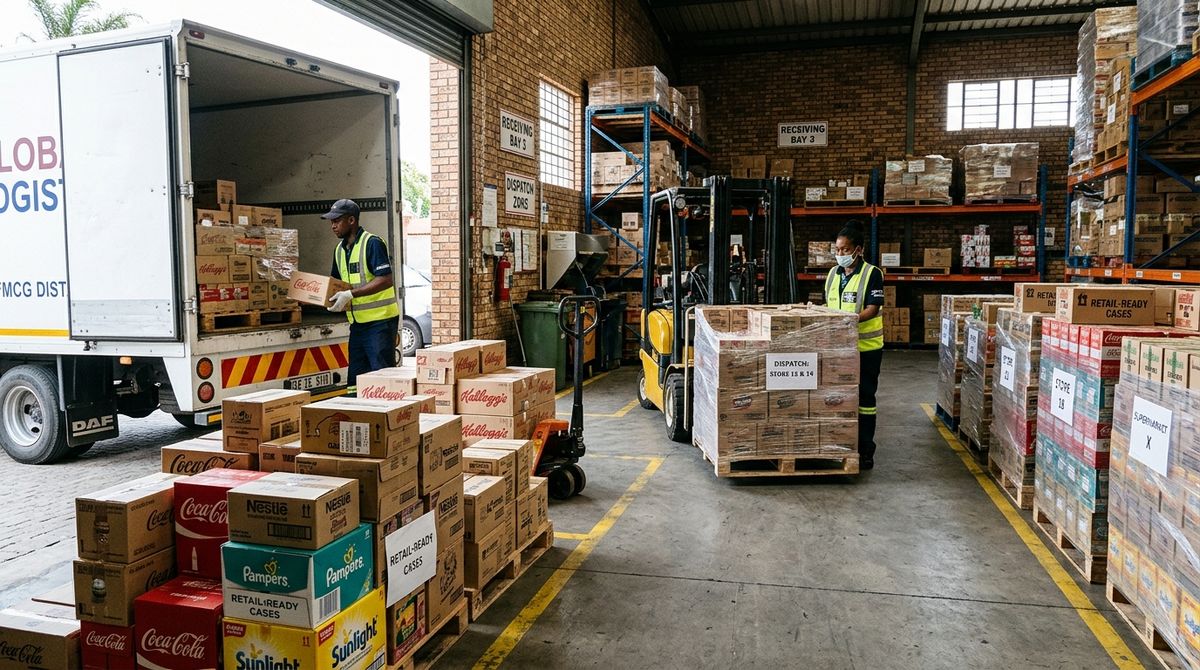
A distributor with an established retailer network can place product across dozens of doors within weeks of appointment. At Lim Soon Huat Group, onboarding a new brand into our active retail network typically moves from signed agreement to first deliveries in four to six weeks. Building a direct sales team from scratch in Malaysia takes three to six months: hiring, onboarding, training, and then the ramp period before reps generate consistent orders.
For brands entering the Malaysian FMCG market without an existing local presence, that gap in time-to-first-revenue is rarely recoverable in year one.
Cost and financial exposure
A sales hire in Malaysia costs more than the base salary. Employer EPF contributions, SOCSO, annual leave, training, and vehicle allowances add 25 to 35 percent on top of gross pay. Multiply that across a team capable of covering even Central Region, and the monthly burn before a single order is placed is substantial. Outsourced models, by contrast, convert that fixed overhead into a variable cost tied to market presence.
The real cost of distributor engagement includes margin give-up, listing support, and promotional funding, but the break-even timeline is typically shorter than building headcount from zero.
Control over brand and customer relationships
This is where the direct sales model earns its premium. A distributor owns the retailer relationship. Pricing decisions, shelf negotiation, and promotional execution all pass through that intermediary. Brand owners often discover, 12 to 18 months in, that they have strong distribution numbers but weak retailer intelligence.
A direct team keeps the brand owner in the room. Feedback from a provision shop owner in Chow Kit or a mini market buyer in Subang reaches the brand without filtering.
Pricing and commercial terms
Distributors operate on margin, typically 15 to 30 percent depending on category and channel. Exclusivity clauses are common and vary by geography. Performance thresholds tied to minimum off-take protect the brand owner’s position but are only as reliable as the monitoring behind them.
A direct sales team gives full pricing control but requires the brand to absorb credit risk directly. In Malaysian general trade, 30 to 60 day payment terms from retailers are standard, and a small team without a collections process will feel that pressure quickly.
When to choose a distributor
The distributor model delivers stronger ROI when the brand is new to Malaysia, the budget does not support six months of fixed payroll before revenue, the category requires coverage across multiple channels (pharmacies, baby stores, mini markets, provision shops), or the target market extends beyond the Klang Valley into states like Pahang or Perak where local trade relationships matter. Understanding what a distributor actually does in FMCG makes this calculus clearer.
When to build a sales team
Direct headcount outperforms outsourced reach in a narrow set of conditions: the brand is already generating revenue in Malaysia and needs to deepen key account relationships, the category requires complex selling or regulatory navigation, or the brand is in a growth phase where owning retailer data and pricing integrity is worth the overhead. Even then, the talent acquisition challenge is real. Recruiting managers in Malaysia are raising starting salaries to attract a shortlist, and ramp time for an inexperienced hire can erode the first two quarters of potential revenue.
The verdict
For most brand owners entering Malaysia for the first time, the distributor model is the right starting point. It compresses time-to-market, reduces fixed cost exposure, and provides immediate access to a retailer network that takes years to build independently. The case for a direct sales team strengthens only once the brand has established revenue, retailer traction, and the budget to absorb a 90 to 180 day ramp.
If the goal is first revenue in year one, start with a distributor. Build the direct capability when the market has validated the brand.
To discuss how Lim Soon Huat Group’s distribution model could work for your brand, speak with our partnerships team at /partner-with-us.