

A distributor can report acceptable sell-in while your brand loses shelf space, margin and retailer trust. The signs of bad distributor performance rarely appear in invoices, because invoices only record what the distributor bought from you, not what happened next. We have organised the ten signs below under three drivers: visibility (what you can see), execution (what happens in stores and warehouses) and alignment (whose interests the distributor serves). Each sign is tagged by evidence type, so study-backed points are never confused with practitioner-informed ones.
Key takeaways
- Sell-in totals hide most distributor failures. Demand sell-out data by account and SKU.
- Check coverage, shelf conditions and stock age in person, in at least three states.
- Falling margin, price erosion and a buried brand are alignment failures, not market conditions.
- Convert these signs into a 90-day scorecard with agreed thresholds.
1. Sales reports show sell-in but never sell-out
Driver: visibility. Evidence type: practitioner-informed, supported by research on measurement blind spots.
Sell-in is what the distributor buys from you. Sell-out is what retailers sell to shoppers. A distributor that reports only the first is showing you its purchasing, not your brand’s performance.
The blind spot is common. Lead Forensics reports that 39% of manufacturers cannot say what share of their web visitors convert to leads. A manufacturer that cannot measure its own funnel will not measure distributor-influenced demand either, and a distributor will not volunteer the data. Lack of visibility and control over a channel partner is a recognised obstacle to data-driven decisions.
What complete reporting looks like
The minimum monthly data set from a distributor covers five items:
- Sell-out by account and SKU
- Active outlet count
- Stock on hand
- Near-expiry stock
- Promotion results against plan
The recommendation is to write these reporting terms, including deadlines, into the contract. Our guide to the clauses that matter in a distribution agreement covers where they belong.
2. Coverage stops at the klang valley
Driver: execution. Evidence type: practitioner-informed.
The Klang Valley (Kuala Lumpur and Selangor) holds the densest retail in Malaysia, so distributors gravitate to it, along with Penang and Johor Bahru. Sabah, Sarawak, the East Coast and smaller towns go untouched, and the revenue there is lost without anyone reporting it.
Compare the distributor’s active outlet count with its promised numbers, channel by channel: modern trade (supermarket and hypermarket chains), pharmacies, baby stores, provision shops (small family-run grocers) and mini markets. For a clearer picture of how these channels differ, see modern trade versus traditional trade in Malaysia. A promise of “nationwide” that cannot be broken down by channel and state is not a coverage plan.
Then verify in person. Visit outlets in three states, including one outside the Peninsula’s main corridor, and check whether your products are on the shelf and whether staff recognise the brand. Two days of field checks replace months of assumptions.
We say plainly how our own model works: we cover Kuala Lumpur, Selangor and Pahang directly, and reach the rest of Peninsular Malaysia through managed distributor partners. Any distributor should be able to describe its reach that precisely.
3. Stock-outs and near-expiry stock appear on the same SKUs
Driver: execution. Evidence type: practitioner-informed.
Empty shelves on fast movers and short-dated stock on slow ones come from the same root cause: weak forecasting and loose ordering discipline. The distributor under-orders what sells, over-orders what does not, and the brand pays twice.
The pattern is easy to picture. A hypermarket chain runs a promotion, the distributor holds too little of the promoted SKU, and the shelf is empty by the second week. The campaign budget is spent, the buyer remembers the failure, and the brand never sees a complaint.
Three checks expose this sign early:
- FEFO handling. First-expired, first-out should be a written warehouse procedure, not an intention.
- Storage conditions. Food, health and baby products need controlled warehouse conditions, and the distributor should show them.
- Replenishment frequency. Ask how often it places orders. Irregular, large orders signal reactive buying.

4. In-store execution is missing or inconsistent
Driver: execution. Evidence type: practitioner-informed.
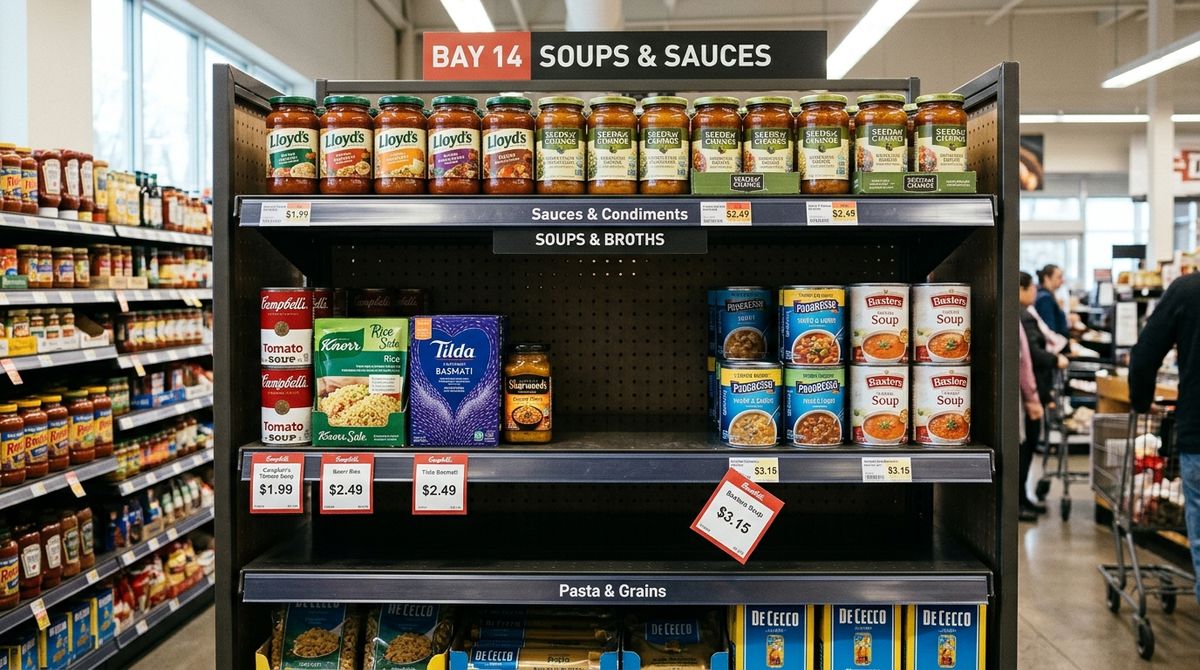
Absent merchandisers, products on the wrong shelf, missing price tags and ignored planograms (the agreed shelf layouts) are routine failures in modern trade and pharmacy chains. Shoppers who cannot find or price-check a product buy something else, and no complaint reaches the brand.
The fix is a store audit with photo evidence and a four-line scorecard: availability, share of shelf, price accuracy and promotion compliance. Run it monthly across a fixed sample of stores, so results can be compared over time. This is where sales are lost at the point of conversion, and it is invisible in any sell-in report.
5. Retailer enquiries and leads disappear after handover
Driver: visibility. Evidence type: practitioner-informed. No study directly backs this sign.
Watch for slow responses to new-account enquiries, no CRM or tracking system, and lead hoarding. In lead hoarding, the distributor keeps the retailer contact and the brand never learns what happened.
The test is simple. Pass the distributor five enquiries and measure time to first contact and outcome at 30 days. A distributor with no answer has no process.
Why single-contact selling loses accounts
Forrester reports that complex B2B purchases now involve about 13 internal stakeholders and nine external influencers. The figure is not FMCG-specific, so treat it as directional. It still maps onto chain accounts, where a category buyer, a procurement lead and a store operations team each influence a listing. A distributor that works only one of those contacts leaves the rest of the decision unaddressed.
6. The sales team skips training and co-marketing
Driver: alignment. Evidence type: study-backed, but off-sector.
A field study of 2,664 reseller salespeople by Beccacece and colleagues (2023, Industrial Marketing Management) found that disengagement from supplier-sponsored training reduced gains in sales ability and lowered satisfaction with the channel relationship. The study covers technology resellers at one large firm, so apply it with care. The mechanism, however, matches what we see in FMCG: a salesperson who skips the briefing does not sell the product well.
The warning behaviours are low attendance at product briefings, launch kits left unopened and no participation in joint business plans. The study’s own recommendation is the one to follow: build customer-orientation content into the first training sessions, so reps learn what the retailer needs before they learn the price list.
7. Volume climbs while margin and price integrity fall
Driver: alignment. Evidence type: partly study-backed.
Coelho and colleagues found that multiple channels were associated with higher sales but lower channel profitability, in a 2003 sample of 62 UK financial services organisations. The source is dated and off-sector, but the lesson holds: volume can mask margin loss.
The practitioner-informed signs are concrete. Look for unauthorised discounting, grey-market stock (genuine product sold outside authorised channels) and listings on Shopee, Lazada or TikTok Shop priced below agreed floors. Each one trains retailers to expect lower prices and erodes the margin of every account that honours the agreement.
The recommendation is to track net revenue per outlet and price compliance rather than headline sales. A rising top line with a falling net-per-outlet figure is a distributor buying volume with your margin.
8. The brand sits behind competing principals in the portfolio
Driver: alignment. Evidence type: practitioner-informed.
Distributors carry many brands, and attention follows margin. The best salesperson time and truck space go to higher-margin lines, and a rival brand in the same category takes priority over yours.
Three diagnostics settle the question: your brand’s share of sales calls, its share of promotion slots, and whether it has a dedicated sales lead. If the answer to the last is no, the brand competes for attention every week. This matters most in the first 12 to 24 months after market entry, when retailer listings and habits are set. Brands that want dedicated sales and merchandising teams should read how a distributor differs from a principal agent before choosing a structure.
9. Brand information is inconsistent or outdated online
Driver: visibility. Evidence type: research-supported inference.
Most buyers shortlist suppliers before contacting anyone. 6sense data, cited at figures between 80% and 95% depending on the source, puts the winning vendor on the list before first contact. A retailer who finds an old distributor website, mismatched product claims, outdated pack images or a wrong phone number on a marketplace listing may never make the call.
Steve Fowler of DBS Interactive describes why this now extends to AI search: these systems cite only what they can verify, so unclear or unsupported claims get filtered out before a reader sees them. A brand whose claims differ across the distributor’s site, Shopee and a retailer listing gives AI nothing verifiable to cite.
Run a quarterly audit of every public listing carrying the brand name. Correct the claims, images and contacts, and make the distributor accountable for fixing what it controls.
10. Regulatory and compliance housekeeping slips
Driver: alignment. Evidence type: practitioner-informed.
Compliance lapses stop sales across a whole chain overnight. Watch for missing or late product notifications (NPRA for personal care, KKM requirements for health products), labelling that fails Bahasa Malaysia requirements, weak recall readiness and poor batch traceability. For food, halal status is a listing requirement for many retailers, and our guide to JAKIM halal certification for imported brands explains the process.
Ask the distributor to show its notification records and a documented recall procedure. Requirements change, so confirm current rules with the relevant authority (NPRA, KKM or JAKIM) before acting. We do not give regulatory advice, and neither should a distributor without evidence.
Build a 90-Day distributor scorecard
The recommendation is a 90-day scorecard built on the three drivers, with thresholds agreed in writing and a review point at day 90. Starting thresholds, adjusted per category:
| Driver | Sign to measure | Starting threshold |
|---|---|---|
| Visibility | Sell-out report by account and SKU | Delivered within 10 working days of month end |
| Visibility | Lead response | First contact within 2 working days |
| Execution | Store audit availability | Agreed target met in sampled stores |
| Execution | Near-expiry stock | Reported monthly with action plan |
| Alignment | Price compliance | No listings below agreed floor |
| Alignment | Training attendance | Every rep trained before launch |
Retailers feel these failures first, as missed deliveries and thin support, which is why a distributor’s weaknesses reach shoppers long before they reach the principal. A distributor that meets its thresholds welcomes the scorecard, and one that resists it has answered the question.
If you want to compare your current distributor against this scorecard, or see how we would build one for your brand, talk to our partnerships team at /partner-with-us.